
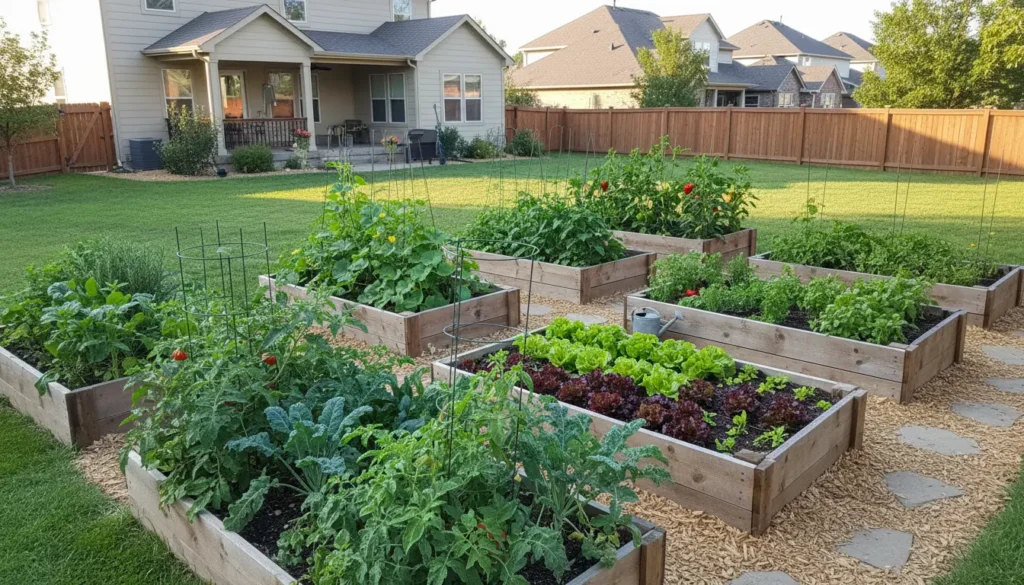
Plan Your Small Vegetable Garden
Starting a small vegetable garden begins with a simple plan. Decide the purpose: fresh herbs, salad greens, or a mix of vegetables for weekly meals.
Measure the available space and note sunlight patterns for at least one full day. Most vegetables need 6–8 hours of direct sun, so pick the sunniest spot you have.
Choose the Right Location for a Small Vegetable Garden

Select a location close to a water source and with good drainage. Avoid low spots where water pools after rain.
If you have limited ground space, consider raised beds or containers. These options improve soil control and reduce back strain when tending the garden.
Prepare Soil for a Small Vegetable Garden
Soil quality is the most important factor for a productive small vegetable garden. Test the soil pH and texture to determine amendments needed.
Most vegetables prefer slightly acidic to neutral soil (pH 6.0–7.0). Add compost and a balanced organic fertilizer to build structure and nutrients.
Basic Soil Preparation Steps
- Remove weeds and debris from the planting area.
- Loosen soil to a depth of 8–12 inches for root crops and 12–18 inches for deeper roots.
- Work in 2–4 inches of compost and a handful of slow-release organic fertilizer per square foot.
Select Crops for a Small Vegetable Garden
Choose vegetables that match your climate, space, and cooking habits. Pick compact or bush varieties labeled for small spaces or containers.
Start with easy, productive crops to build confidence: lettuce, radishes, bush beans, cherry tomatoes, herbs, and salad greens.
Crop Selection Tips
- Stagger plantings of quick crops like lettuce and radishes every 2–3 weeks for continuous harvest.
- Use vertical supports for vining plants like peas and certain tomato types to save space.
- Group plants with similar water needs to simplify irrigation.
Planting and Care in a Small Vegetable Garden

Follow seed packet and plant label instructions for spacing and planting depth. Dense plantings reduce weed growth but avoid crowding that stresses plants.
Mulch around plants with straw or shredded leaves to conserve moisture and suppress weeds. A 2–3 inch mulch layer is usually sufficient.
Watering and Fertilizing
Water deeply and less frequently to encourage strong root growth. Most vegetables need about 1–1.5 inches of water per week, adjusted for rainfall.
Feed with a balanced fertilizer or compost tea according to crop needs. Heavy feeders like tomatoes benefit from additional potassium and phosphorus during fruiting.
Pest and Disease Management for a Small Vegetable Garden
Use preventive measures first: crop rotation, clean tools, and resistant varieties when available. Inspect plants weekly to catch problems early.
Control pests with hand removal, row covers, and targeted organic treatments when needed. Avoid broad-spectrum pesticides that harm beneficial insects.
Common Quick Remedies
- Aphids: blast with water or apply insecticidal soap.
- Slugs: use beer traps, copper barriers, or hand-pick at dusk.
- Blight or fungal issues: improve air circulation and remove infected foliage.
Planting basil near tomatoes can help repel tomato hornworms and may improve tomato flavor. Companion planting benefits can be practical and simple for small gardens.
Small Vegetable Garden Case Study
Case study: A 10 x 4 foot raised bed in an urban backyard produced weekly salad greens and tomatoes for a family of three. The gardener used raised beds to control soil quality and a drip tape for efficient watering.
They rotated crops each season, added compost in spring and fall, and staggered lettuce sowings every two weeks. The result was steady harvests with minimal effort and reduced grocery bills.
Seasonal Calendar and Quick Examples
- Spring: direct sow peas, radishes, and lettuce; transplant broccoli and onions.
- Summer: thin seedlings, stake tomatoes, and harvest frequently to encourage production.
- Fall: sow spinach and kale for cool-season harvests and add compost after clearing beds.
Small Vegetable Garden Checklist
- Sunlight: 6–8 hours daily.
- Soil: tested and amended with compost.
- Water: nearby source and plan for deep watering.
- Crops: start with 4–6 easy varieties.
- Maintenance: weekly inspection and seasonal composting.
Final Tips for a Successful Small Vegetable Garden
Keep records of planting dates, varieties, and performance to improve future seasons. Small changes each year add up to better yields and less work.
Start small, focus on high-value crops you enjoy, and scale up when you feel comfortable. A productive small vegetable garden is a practical way to grow fresh food close to home.