
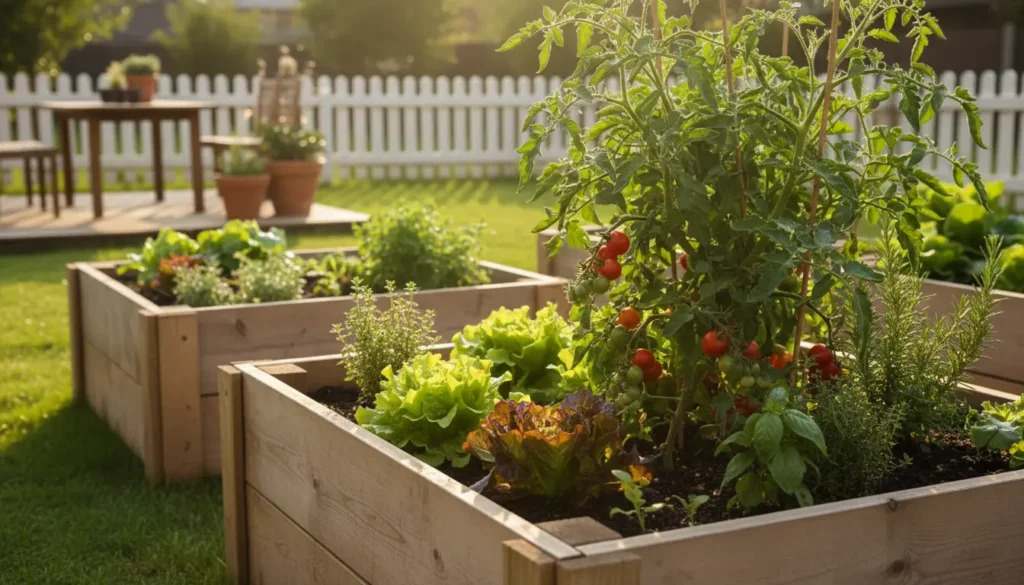
Starting a vegetable garden is a rewarding way to grow fresh food and learn basic plant care. This guide walks you through practical steps you can use in a small yard, balcony, or community plot.
How to Start a Vegetable Garden: Plan Your Space
Choose a location with at least 6 hours of direct sunlight for most vegetables. Note sun patterns across the day and avoid areas that stay soggy after rain.

Decide between in-ground beds, raised beds, or containers based on soil, mobility, and budget. Raised beds warm faster in spring and give better soil control, while containers are ideal for balconies and patios.
How to Start a Vegetable Garden: Select Vegetables
Pick easy, fast-growing vegetables if you are new to gardening. Good starters include lettuce, radishes, cherry tomatoes, bush beans, and herbs like basil and parsley.
Consider your climate and growing season when choosing varieties. Check seed packet days-to-maturity and stagger plantings for continuous harvests.
How to Start a Vegetable Garden: Prepare Soil and Beds
Healthy soil is the foundation of a productive garden. Test soil pH and texture with a simple kit or send a sample to a local extension service for recommendations.
Improve soil by adding organic matter such as compost or well-rotted manure. Mix in 2–4 inches of compost into the top 6–8 inches of soil before planting for most gardens.
How to Start a Vegetable Garden: Planting Tips
Follow spacing and depth guidelines on seed packets or plant labels. Crowding leads to poor air circulation and higher disease risk.

Start some vegetables from seed and buy others as seedlings to extend variety. For example, start lettuce and radishes from seed and use seedlings for peppers or tomatoes.
How to Start a Vegetable Garden: Watering and Fertilizing
Water deeply and less frequently to encourage strong root growth. Aim for consistent moisture and water early in the day to reduce evaporation and leaf disease.
Use a balanced fertilizer or side-dress with compost during the growing season. Monitor plant vigor and adjust feeding if leaves yellow or growth slows.
Pest and Disease Management When You Start a Vegetable Garden
Practice crop rotation and remove plant debris to reduce pests and diseases. Introduce physical barriers like row covers for insect control and use sticky traps for monitoring.
Use integrated pest management: identify the pest, use mechanical controls first, then biological or targeted organic products if needed. Avoid broad-spectrum pesticides that harm beneficial insects.
How to Start a Vegetable Garden: Seasonal Care
Mulch around plants to retain moisture, suppress weeds, and regulate soil temperature. Apply 2–3 inches of organic mulch such as straw or shredded leaves.
Adjust care by season: plant cool-season crops early and switch to warm-season crops after the last frost. Fall cleanup and cover cropping help maintain soil health for the next year.
Tools and Basic Supplies
- Hand trowel and fork for small beds and containers
- Watering can or hose with a gentle nozzle
- Compost or bagged organic matter
- Garden gloves and pruning shears
Simple Planting Schedule Example
- Early spring: Soil test, add compost, sow peas and radishes
- Late spring: Transplant tomatoes, peppers, plant beans and basil
- Summer: Succession plant lettuce and quick greens every 2–3 weeks
- Fall: Harvest remaining crops, plant cover crop or mulch heavily
Adding just 1 inch of compost per year can increase soil organic matter and improve moisture retention and fertility over time.
Real-World Example: Small Balcony Garden Case Study
Emily, an apartment renter, converted a 6-foot balcony into container beds and grew cherry tomatoes, leaf lettuce, and herbs. She used 12-inch pots for tomatoes and shallow trays for lettuce, arranged for maximum sunlight.
By using a simple drip-watering hose and adding compost at planting, Emily produced enough tomatoes and herbs to cut grocery trips by a third during the season. Her key lessons: choose compact varieties, use good potting mix, and water consistently.
Final Tips to Start a Vegetable Garden Successfully
- Start small to avoid overwhelm; expand once you gain experience.
- Keep a simple journal of plant dates, varieties, and problems to learn each season.
- Learn from local gardeners or extension services for region-specific advice.
With steady care and attention to soil, water, and plant selection, anyone can start a vegetable garden that produces steady, healthy food. Begin with a clear plan, and adjust practices as you observe what works in your space.